
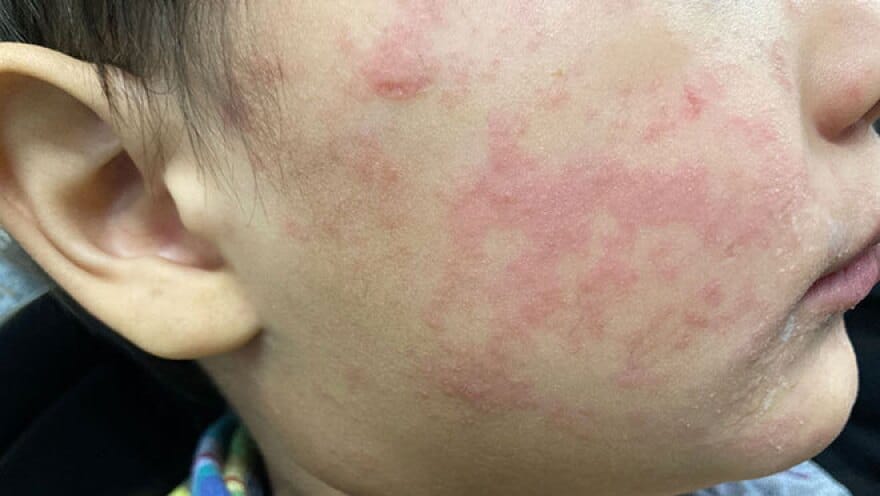
Health officials have confirmed a case of measles in the Kansas City metro, marking the first confirmed case in the area since 2018 and raising concerns about possible spread across northeast Kansas.
According to local health departments, the case involves an unvaccinated adult, and officials are now working to identify where the exposure occurred and who else may have come into contact with the virus.
While the case is currently isolated, measles is one of the most contagious viruses known to medicine. Public health experts say that if an unvaccinated person is exposed to measles, there is roughly a 90 percent chance they will become infected.
For residents in Topeka and the surrounding region, the development is notable because Kansas City is a major travel and healthcare hub for northeast Kansas, with thousands of residents moving between the two cities each week for work, medical care, shopping, and entertainment.
What is measles?
Measles is a viral infection that spreads through the air when an infected person coughs or sneezes. The virus can linger in the air and on surfaces for up to two hours, meaning someone can become infected even after the infected person has left the area.
Symptoms usually appear 7 to 14 days after exposure and may include:
- High fever
- Cough
- Runny nose
- Red or watery eyes
- A rash that typically starts on the face and spreads downward across the body
The illness can be especially dangerous for young children, pregnant women, and people with weakened immune systems, sometimes leading to pneumonia, brain swelling, or hospitalization.
Why health officials are watching closely
Health departments say vaccination remains the most effective protection. The MMR vaccine (measles, mumps, rubella) provides strong protection, with two doses offering about 97 percent effectiveness against measles.
Public health experts note that measles outbreaks typically occur when vaccination rates fall below levels needed for community immunity, allowing the virus to spread quickly once introduced.
What Topeka residents should know
At this time, no measles cases have been reported in Topeka, but health officials recommend residents:
- Verify their MMR vaccination status
- Contact a healthcare provider if symptoms appear after possible exposure
- Avoid visiting clinics or hospitals without calling first if measles is suspected, to prevent further spread
Because measles spreads so easily, health officials across the region will be closely monitoring the situation in Kansas City over the coming days.
For now, the KC case serves as a reminder that diseases once thought largely eliminated in the United States can still return when conditions allow them to spread.