
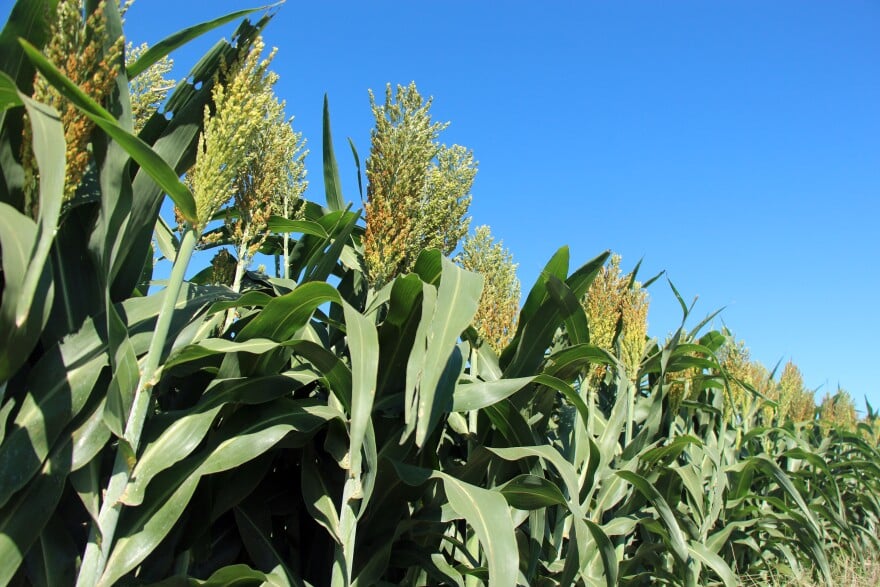
TOPEKA, Kan. — Kansas farmers are on track to deliver one of the strongest harvests in years, but falling commodity prices are leaving many wondering if record yields will be enough to offset financial stress.
Corn futures dipped to $3.72 per bushel earlier this month, the lowest level in five years, while input costs for fuel, fertilizer, and equipment remain stubbornly high. The break-even price for many Kansas producers sits between $4 and $4.50 per bushel, meaning every bushel harvested could still mean a net loss.
“We’ve been through good years and bad,” said one Shawnee County farmer. “This year, the fields look great, but when you do the math, it’s hard not to worry.”
A Trade War Fallout
Adding to the pressure are renewed trade tensions with China, one of the largest buyers of U.S. grain. Tariffs and retaliatory policies have slowed exports, reducing demand and pushing domestic prices even lower.
Analysts warn that even if tensions ease, rebuilding lost market share in China will take years as buyers pivot to South American suppliers like Brazil and Argentina.
Kansas Holding Steady — For Now
Despite the squeeze, Kansas farmers are expected to see higher net income in 2025, largely due to nearly $2.7 billion in federal support payments and a strong livestock market that has cushioned some losses. Statewide net farm income is projected to rise to $7.7 billion, up 87% from 2024.
However, economists caution that this growth isn’t sustainable without a rebound in commodity prices or continued support.
“Government payments are keeping rural economies afloat right now. if those payments dry up, the financial reality will hit hard, especially for smaller Farms.”
Impact on Rural Communities
The strain is already rippling across rural Kansas towns, where agriculture drives local economies. Reduced margins mean less spending on equipment, feed, and even local businesses — from diners to hardware stores.
Local leaders say the concern is less about 2025 and more about what happens if low prices persist into 2026, when aid programs are expected to scale back.
Looking Ahead
As combines prepare to roll across the state in the coming weeks, many Kansas farmers are focused on cutting costs and hoping for improved prices.
But with record harvests flooding the market, analysts suggest the pressure on farm income — and rural economies — may linger well into next year.