

A Shawnee County defendant’s record shows years of arrests, dismissals, diversion — and now a new no-bond domestic violence case.
A 23-year-old Topeka man is back in the Shawnee County Jail this week facing serious domestic violence allegations, adding another chapter to a court history marked by arrests, dismissals, and diversion agreements.
Ayden Charles Prettyman was booked into the Shawnee County Department of Corrections on June 14 on allegations of aggravated domestic battery involving strangulation and criminal restraint. Jail records show he is currently being held without bond pending further court proceedings.
As always, an arrest is not a conviction. The current allegations remain unproven, and Prettyman is presumed innocent unless and until proven guilty in a court of law.
Still, a review of Shawnee County court records reveals a pattern that has become increasingly familiar to followers of the local justice system.
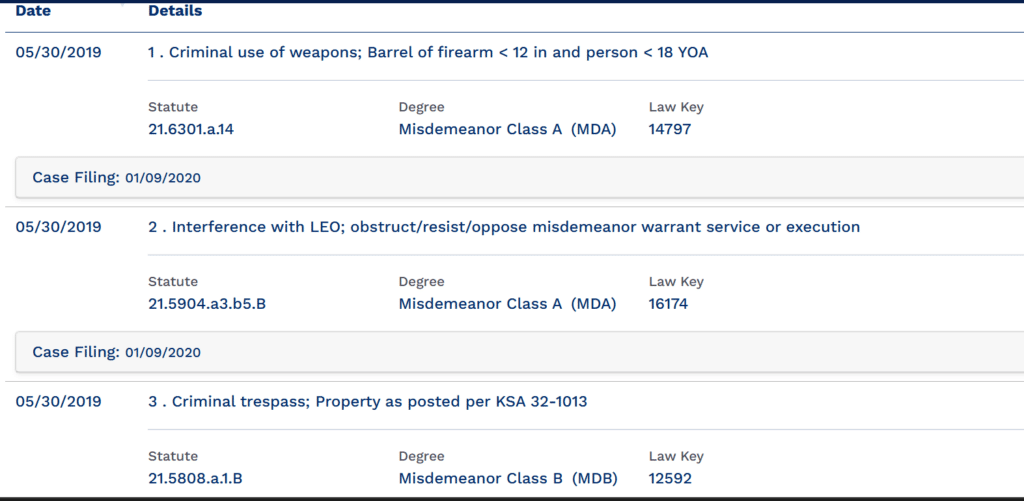
In 2019, Prettyman appeared in juvenile court on allegations that included criminal use of a weapon, interference with law enforcement, and criminal trespass.
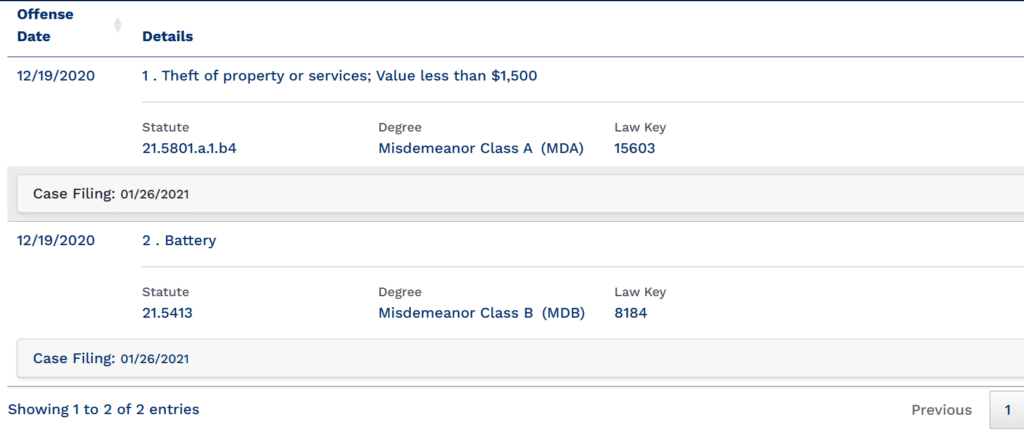
In 2020, he again appeared in juvenile proceedings involving allegations of theft and battery.
Court records show those juvenile matters were ultimately dismissed or resolved without adjudication.
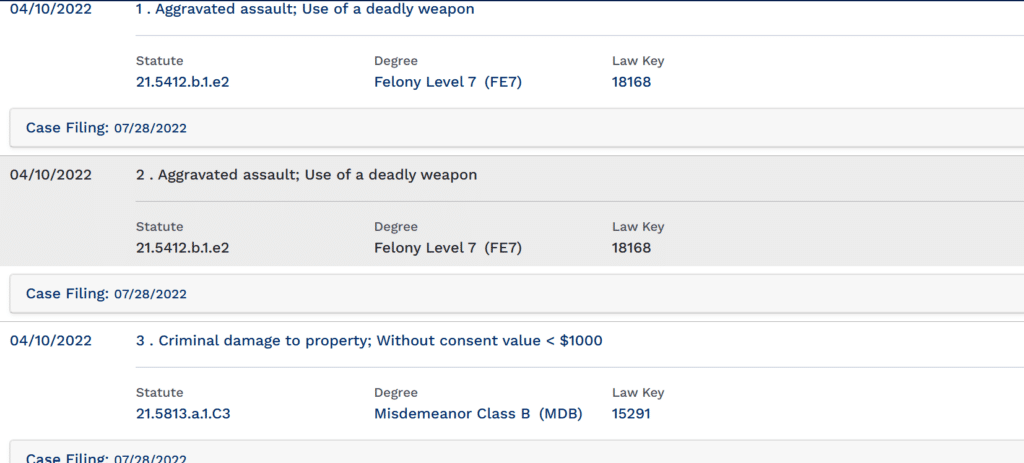
In 2022, prosecutors filed a felony case alleging two counts of aggravated assault with a deadly weapon and criminal damage to property. Those charges were later dismissed.
In 2023, Prettyman was charged with felony interference with law enforcement involving the service or execution of a felony warrant. Rather than proceeding to trial, that case resulted in a diversion agreement in August 2024.
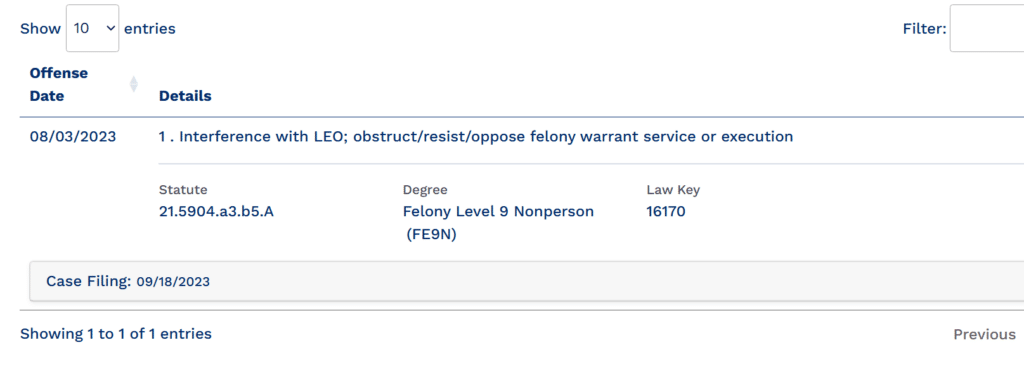
Diversion is not a conviction. Instead, it allows a criminal case to be set aside while a defendant completes court-ordered conditions. If the conditions are successfully completed, the underlying criminal case may ultimately be dismissed.
Court filings show prosecutors later sought to revoke Prettyman’s diversion after alleging he failed to pay required costs and failed to provide required alcohol, drug, and mental health evaluations. That revocation effort was eventually withdrawn after the required documentation was submitted and the outstanding balance was paid.
That diversion agreement was scheduled to remain in effect until August 2026.
Now, while still within that diversion period, Prettyman faces a new set of allegations — this time involving an alleged domestic violence incident.

Whether the current case results in dismissal, diversion, conviction, acquittal, or another outcome remains to be seen.
But for critics of what they describe as a “catch and release” criminal justice system, the record raises a recurring question: when defendants repeatedly return to court on serious allegations, only to see cases dismissed, diverted, or otherwise resolved without a conviction, does the system adequately address public safety concerns?
The answer will ultimately depend on the evidence in each case, the decisions of prosecutors, judges, and juries, and the constitutional protections afforded to every defendant.
For now, Prettyman remains in custody, facing allegations that have not yet been tested in court.