

4
There are albums you listen to, and then there are albums that feel like they were living in the room with you. All Eyez on Me is the latter.
This isn’t just what I’m listening to right now—it’s what I’ve been carrying around with me since I was a kid trying to figure out the world without having the language for it yet.
I remember hearing it too young.
Not in the “my parents had it on in the car” way. More like passed-around CDs, scratched cases, somebody’s older cousin saying, “you gotta hear this.” The kind of listening that felt a little dangerous. Like you were stepping into something you weren’t fully supposed to understand yet—but you knew it mattered.
And then that opening stretch hits.
“Ambitionz Az a Ridah” doesn’t ease you in. It grabs you by the collar. That beat is still one of the most aggressive introductions in hip-hop history, and Pac doesn’t waste a second telling you exactly where he’s at—fresh out, fully aware, and not pretending otherwise.
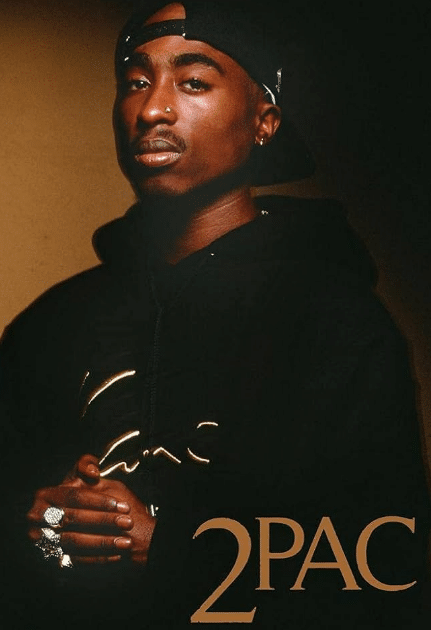
That was the first time I remember music feeling real in a way that wasn’t polished or safe.
What makes All Eyez on Me different—even now—is its range.
You’ve got the defiance:
- “Ambitionz Az a Ridah”
- “All Eyez on Me”
Then the paranoia and reflection:
- “Only God Can Judge Me”
- “I Ain’t Mad at Cha”
And then the contradictions that made Pac who he was:
- “How Do U Want It” sitting right next to deeper, almost spiritual tracks
- “Life Goes On,” which, if you’ve lost people, hits different every single time
That duality is what hooked me back then, even if I couldn’t articulate it. You’re listening to someone who is at once untouchable and completely exposed.
Growing up where I did—cali town, rough edges, a mix of cultures and tensions you don’t always understand as a kid—Pac felt like a translator.
Not because our lives were the same. They weren’t.
But because he spoke in a way that cut through all the noise. Anger, loyalty, loss, pride—it was all there, unfiltered. And when you’re young and trying to make sense of things like identity, belonging, and where you fit in… that kind of voice sticks.
Listening to it now, years later, it lands differently.
You hear the production—clean, West Coast, that Death Row Records polish—but you also hear the urgency. This wasn’t an artist coasting. This was someone documenting everything in real time, like he knew the clock was shorter than everyone else thought.
And knowing what comes after—the mythology, the debates, the loss—it adds weight to every track.
There’s a lot of music that comes and goes.
But All Eyez on Me doesn’t feel like it ever left. It just waits for you to come back to it at a different point in your life—and somehow, it still has something new to say.
That’s what I’m listening to right now.
Not just the album.
The memories that came with it.